
What is Gestational Diabetes?
Gestational diabetes is a type of diabetes that develops during pregnancy. It means your blood sugar levels become higher than normal. Usually, this condition appears in the second or third trimester. However, it can affect any pregnant woman. The treatment of gestational diabetes is important for both mother and baby. With the right care, most women have a healthy pregnancy and baby.
Why Treatment is Important
Proper treatment of gestational diabetes helps prevent problems for you and your baby. For example, high blood sugar can cause your baby to grow too large. This may lead to a difficult delivery. In addition, untreated gestational diabetes can increase the risk of high blood pressure. It may also raise the chance of your baby developing diabetes later in life. Therefore, early and effective treatment is key for a safe pregnancy with diabetes.
Common Treatment Approaches
There are several ways to manage gestational diabetes. Most women can control their blood sugar with healthy habits. However, some may need medicine. Here are the main treatment options:
According to the CDC, most women can manage gestational diabetes with these steps. Still, some may need extra help.
Medication Options
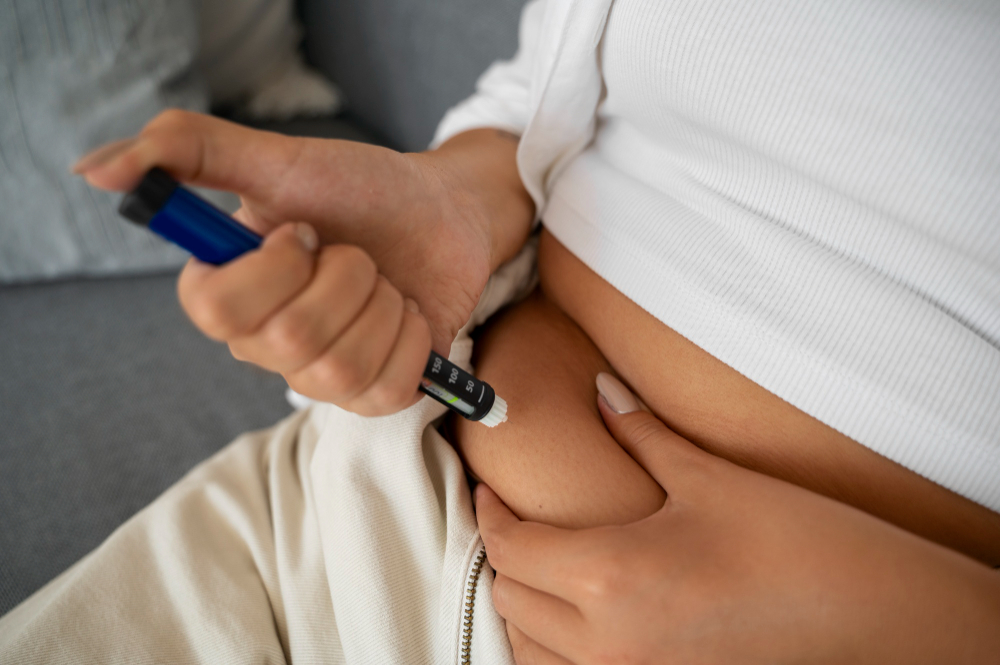
Sometimes, lifestyle changes are not enough to control blood sugar during pregnancy. In these cases, your doctor may suggest medicine. Insulin is the most common choice. It is safe for both mother and baby. Some women may use pills, but insulin is often preferred. Your doctor will teach you how to use it. They will also check your blood sugar often to keep it in a safe range. Remember, medication is only used when diet and exercise do not work well enough.
Tips for Managing Gestational Diabetes at Home
Managing gestational diabetes at home can feel challenging. However, simple steps can make a big difference. Try these tips:
With these steps, you can improve gestational diabetes management and enjoy a healthier pregnancy.
Prevention of Complications
Preventing complications is a key part of gestational diabetes treatment. For example, keeping your blood sugar in the target range lowers the risk of problems. Regular check-ups help your doctor spot any issues early. In addition, following your care plan reduces the chance of high blood pressure or early delivery. After your baby is born, your doctor may check your blood sugar again. This helps make sure your levels return to normal. Early action and good habits protect both you and your baby.
When to Consult a Doctor
Always talk to your doctor if you have questions about gestational diabetes management. You should also call your healthcare provider if:
Early help can prevent serious problems. Your doctor will guide you to the best treatment for gestational diabetes.
For personalized advice on gestational diabetes treatment, consult a healthcare specialist. Early care leads to a safer, healthier pregnancy for you and your baby.