
Introduction
Placenta previa is a condition that can affect pregnancy. It happens when the placenta covers part or all of the cervix. Because this can cause problems during pregnancy and delivery, it is important to know the signs and what to do. In this blog, you will learn about placenta previa, its causes, symptoms, diagnosis, and treatment options. You will also find tips for a healthy pregnancy and when to seek medical help.
What is Placenta Previa?
The placenta is an organ that forms during pregnancy. It gives your baby food and oxygen. Normally, the placenta attaches to the top or side of the uterus. However, in placenta previa, it lies low in the uterus and covers the cervix, either partly or completely. Because the cervix is the opening to the birth canal, this can cause bleeding and other issues, especially later in pregnancy.
Causes
Doctors do not always know why placenta previa happens. However, some factors can increase your risk. For example, women who have had surgery on their uterus may be more likely to develop it. Other risk factors include:
Although these factors raise the risk, placenta previa can happen to anyone. Therefore, regular check-ups are important for all pregnant women.
Symptoms
Placenta previa often causes painless bleeding during the second or third trimester. However, some women may not have any symptoms. Common signs include:
Although not all bleeding in pregnancy is due to placenta previa, it is important to tell your doctor about any bleeding right away. Sometimes, placenta previa is found during a routine ultrasound before any symptoms appear.
Diagnosis
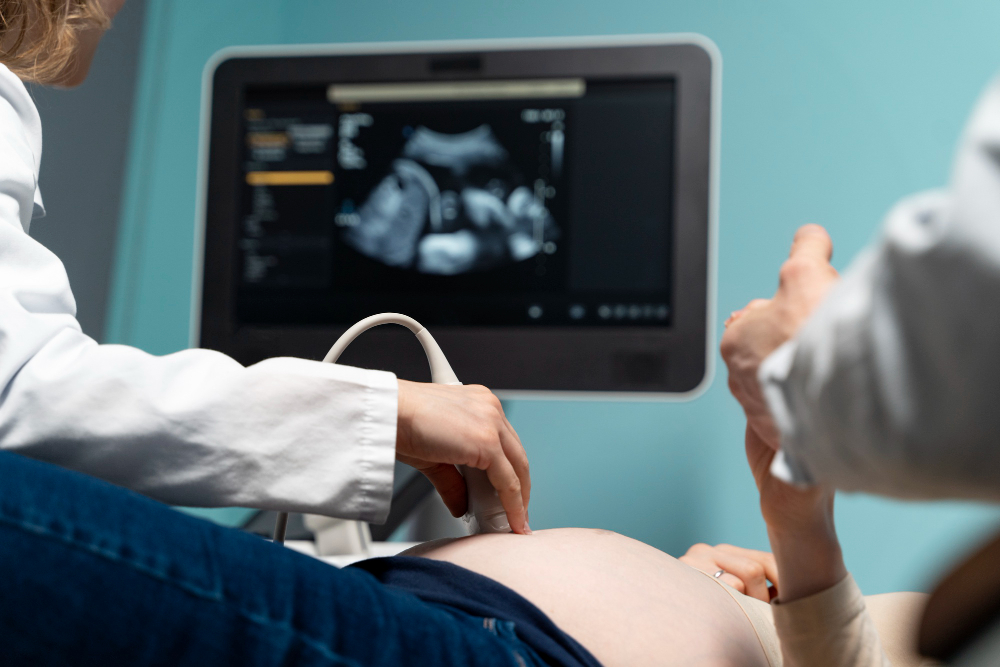
Doctors usually diagnose placenta previa with an ultrasound. This test uses sound waves to create pictures of your uterus and placenta. Sometimes, a transvaginal ultrasound gives a clearer view. In rare cases, an MRI may be used. Because placenta previa can change as pregnancy goes on, doctors may repeat ultrasounds to check the placenta’s position.
Treatment Options
Treatment for placenta previa depends on how far along you are and how much bleeding you have. Your doctor will also consider your health and your baby’s health. Common treatment options include:
Although some women may have only mild symptoms, others may need more care. Therefore, always follow your doctor’s advice closely.
Prevention & Lifestyle Tips
Placenta previa cannot always be prevented. However, you can lower your risk by:
Because early care can help, always attend your prenatal visits. If you have placenta previa, rest as advised and avoid activities that could trigger bleeding.
When to See a Doctor
Always contact your doctor if you notice:
Because placenta previa can lead to serious problems, do not wait to get help. Quick action can protect both you and your baby.
Conclusion
Placenta previa is a condition where the placenta covers the cervix. It can cause bleeding and may affect delivery. However, with early diagnosis and proper care, most women and babies do well. Always talk to your healthcare provider if you have concerns or symptoms. Consult a healthcare specialist for personalized advice about placenta previa.